This cc white interview overview explains her Soul Kirtan approach: a soulful lead voice carrying Sanskrit mantras in call-and-response form, captured live at Bhakti Fest 2012 in Joshua Tree. The main condition is that the evidence centres on one recorded performance.
The profile sits within the kirtan artist interview series. Readers comparing approaches can set it beside the prema hara interview and the gaura vani interview. This page looks at one question: how a soul-led voice works inside devotional music.
What “Soul Kirtan” signals in C.C. White’s work
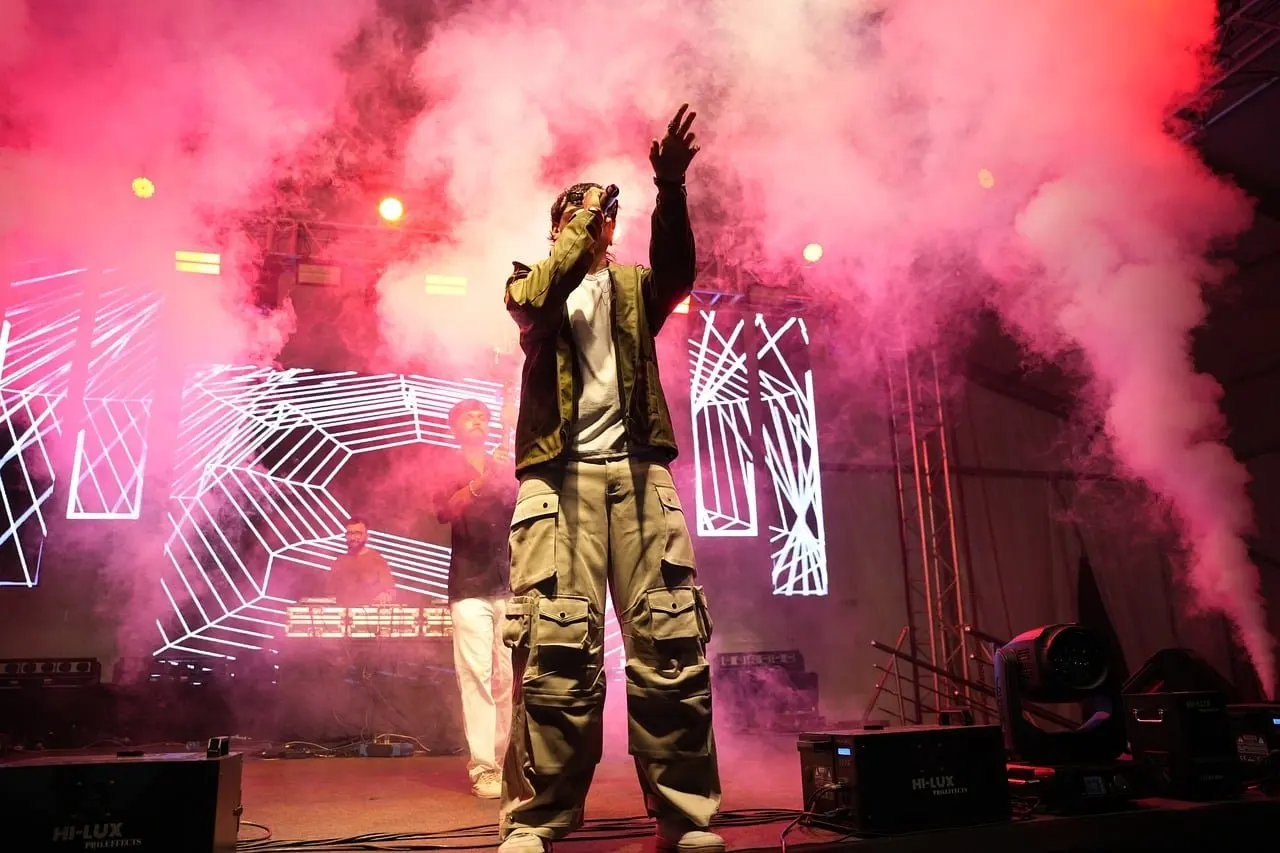
C.C. White’s featured recording is titled This IS Soul Kirtan! and carries the subtitle The Maha Mantra (Reggae Style), according to ISKCON News. Two details in that title do the work. “Soul” names the vocal tradition, and “Reggae Style” names the rhythmic setting for a traditional mantra.
That pairing is the clearest evidence of how she approaches devotional music. The mantra stays the centre of the performance. The soul sound and the reggae groove change how the mantra is phrased and felt, and they do not replace it.

Listeners new to her work should treat the title as a statement of intent. It tells you to expect a singer-led reading of a familiar chant, not a hushed, minimal one.
How kirtan’s structure shapes a soul voice
Kirtan is devotional chanting that comes from the ancient Bhakti Yoga traditions of India, as Buddha Bella describes it. The word comes from the Sanskrit root “kirt”, meaning to narrate, recite or glorify. The same source describes kirtan as a call-and-response style of chanting built on the repetition of mantras or the names of deities.
That structure explains why a soul-trained voice suits the form. Repetition leaves room for variation, because the words return and the lead singer decides how each return sounds. In a form like this, vocal craft means shaping a small amount of text rather than delivering new lyrics.
From mantra to shared sound
The stages below follow the call-and-response pattern as the source describes it, with the lead voice’s role spelled out.
- Choose the mantra. The Maha Mantra is a Sanskrit mantra, and its words stay fixed while the setting around them changes.
- Lead the call. The lead singer states a line. Tone, attack and phrasing are the singer’s main tools, and this is where a soul sound is most audible.
- Invite the response. The group answers the line. A lead voice that is easy to follow makes the answer easier to join.
- Repeat and build. Repetition is the core of the practice, so small changes in dynamics and groove carry the sense of progression.
Harmonium and the supporting sound
The harmonium is one of the instruments commonly used in kirtan. Buddha Bella lists it alongside tabla, dholak and guitar as instruments that add richness to the experience. For a vocalist, the harmonium is useful because it holds a steady drone-like pitch centre while the voice moves freely around it.
The choice of accompaniment changes what the lead voice can do. A sparse harmonium-led setting puts the voice in front and exposes every inflection. A rhythm-forward setting, such as the reggae treatment in C.C. White’s release, shares the work between voice and groove. Listeners who want to hear vocal detail should start with the sparest arrangement they can find. Listeners who want to feel the mantra move should favour the rhythmic one.
The Bhakti Fest connection
C.C. White’s link to Bhakti Fest is documented through a live recording. ISKCON News lists The Maha Mantra (Reggae Style) and It’s About Love (Live) as recorded in Joshua Tree at Bhakti Fest 2012. That makes 2012 the publicly listed festival date for this performance.
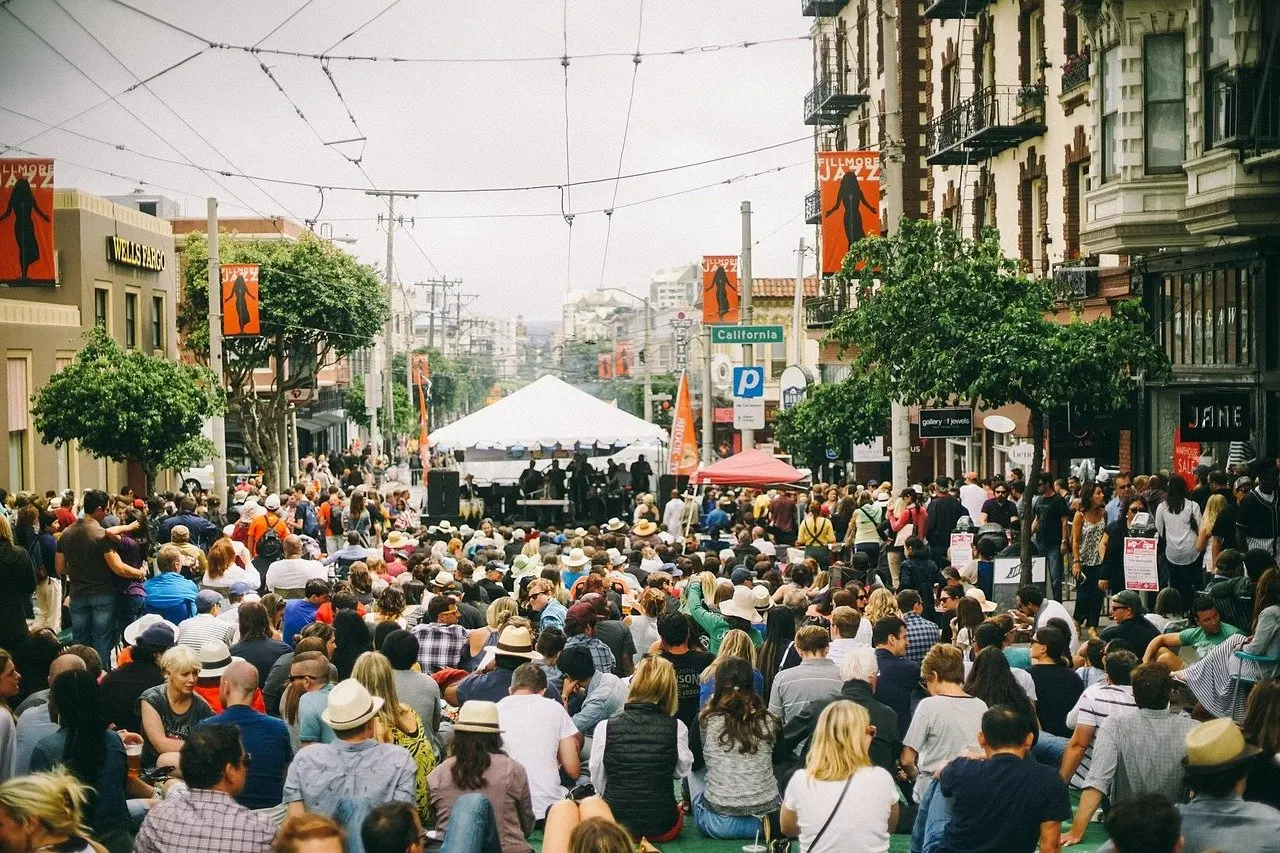
A live festival setting matters for this kind of music. Call-and-response needs a responding group, and a festival audience supplies one. A live take therefore captures the exchange between lead voice and crowd, which a solo studio take cannot show.

Recorded release at a glance
| Detail | What is listed | Planning use |
|---|---|---|
| Release title | This IS Soul Kirtan! | Search this exact title when looking for the recording. |
| Featured mantra and style | The Maha Mantra (Reggae Style) | Expect a rhythmic, groove-led setting of a traditional chant. |
| Companion live track | It’s About Love (Live) | Listen to it for a second live example from the same event. |
| Setting | Live at Bhakti Fest 2012, Joshua Tree | Use it as the reference point for her festival appearance. |
| Form | Call-and-response chanting of mantras or deity names | Listen for the group answer to the lead line. |
The release details come from ISKCON News, and the description of the form comes from Buddha Bella.
Listening for vocal craft
The practical value of a soul voice in kirtan lies in small choices. These are the points worth hearing, in order of how easy they are to notice.
- Phrasing of repeated lines. Because the mantra repeats, compare how the same words are sung each time. Changes in emphasis show the singer’s control.
- Leaving space for the response. A lead line that finishes cleanly makes the answer easy to join. This suits first-time participants best.
- Interaction with the groove. In the reggae-style setting, notice whether the voice sits on the beat or leans against it.
- Live energy. The Bhakti Fest recording is the best place to hear the exchange between singer and crowd.
Anyone wanting a quieter, more meditative entry point may prefer a harmonium-led kirtan. The reggae-style recording suits listeners who like rhythm and a strong lead voice.
Frequently asked questions
How does she bring gospel and soul influences into devotional music?
The release title This IS Soul Kirtan! names soul directly, and the Maha Mantra is set in reggae style. The fixed mantra provides the structure, and the lead voice supplies the soul phrasing around it.
What is her connection to Bhakti Fest?
C.C. White performed The Maha Mantra (Reggae Style) and It’s About Love live at Bhakti Fest 2012 in Joshua Tree. ISKCON News lists both recordings from that event.
How does she describe singing mantras?
Her release title frames the Maha Mantra as Soul Kirtan, and its companion track is titled It’s About Love. Kirtan itself is described as call-and-response chanting that repeats mantras or the names of deities.
What instruments are typical in kirtan?
The harmonium, tabla, dholak and guitar are common accompaniments. The harmonium is one of the most widely used.
What does the word kirtan mean?
The term traces back to the Sanskrit verb root ‘kirt’, which carries the sense of telling a story aloud, reciting, or praising.