Someone arriving at Chantlanta, Atlanta’s kirtan festival, expecting a concert would meet call-and-response chanting meant for joining in. Quick answer: kirtan festivals invite participation rather than only performance, and there is no wrong way to join.
Wider reporting on the genre sits in the kirtan music news section. This page explains what Chantlanta-style festival sessions are built around and what a first-timer should plan for.
What a kirtan festival is built around
Kirtan is a form of devotional chanting that comes out of the ancient traditions of India and is rooted in Bhakti yoga, according to Buddha Bella’s explanation of kirtan. That one fact explains most of what surprises newcomers. A kirtan festival is organised around a shared devotional practice, with the music as the vehicle for it. A festival named for a city, as Chantlanta is for Atlanta, gathers that practice into a larger event.
Specific details such as edition dates, lineups and guest artists belong to the festival’s own announcements for the edition in question. Check those before planning a trip, and treat any date or headliner that arrives without a named source as unconfirmed.
Common misunderstandings about a kirtan festival
“It is a concert in a different genre”
This is the most frequent mistake, and it answers the question of how a kirtan festival differs from a concert. Buddha Bella describes kirtan plainly: it is not a performance, it is an invitation for all participants to join in. The people on stage lead, and the room is expected to answer. The contrast below shows how the usual concert expectations change.

| Common expectation | What the kirtan description says | Planning use |
|---|---|---|
| Audience watches a performance | Not a performance; participants are invited to join in | Arrive ready to sing, not only to listen |
| Performer sings, audience applauds | The leader sings a phrase and the audience responds | Listen for the phrase, then repeat it back |
| There is a correct way to behave | No right or wrong way to participate | Sing, hum or simply listen as comfortable |
| Songs are fixed entertainment | Chanting focuses on repeating mantras or the names of deities | Expect repetition, not a varied setlist |
The descriptions in the table come from Buddha Bella’s overview of kirtan.
“You have to sing well or know the words”
The call-and-response structure removes that barrier. The leader sings a phrase, and the audience answers it. A newcomer can follow the response line after hearing it once, because the answer is built from what was just sung. Buddha Bella also states that there is no right or wrong way to participate in kirtan. For a first-timer, that means singing off-key or quietly is not a mistake.
Someone who prefers to listen first can do so. The practice invites everyone in the room to join, but it does not test anyone on how well they do it.
“It is only music”
The music carries a devotional purpose. The chanting centres on repeating a mantra or the names of deities, and the repetition is the point. That makes a session feel different from a set of songs, because a single phrase may return many times. Listeners who expect each song to resolve and move on may find the pace unfamiliar at first.

The same source notes that in the Bhakti era the practice was open regardless of caste, class or gender. That openness is part of the tradition’s character, and it supports the welcoming, no-experience-needed tone that newcomers to a festival tend to be told about.
What a newcomer should expect
A first session is easier with a few realistic expectations. These follow from how kirtan is described, and they apply to Chantlanta as to any kirtan festival.
- Repetition is normal. Because the chant repeats mantras or deity names, a long stretch of one phrase is the form working as intended, not a sign that something has stalled.
- Follow the leader’s phrase. The leader sings, the room answers. Listening for the shape of the opening line is the quickest way to join in.
- Participation is flexible. With no right or wrong way to take part, singing, humming and listening are all acceptable ways to be in the room.
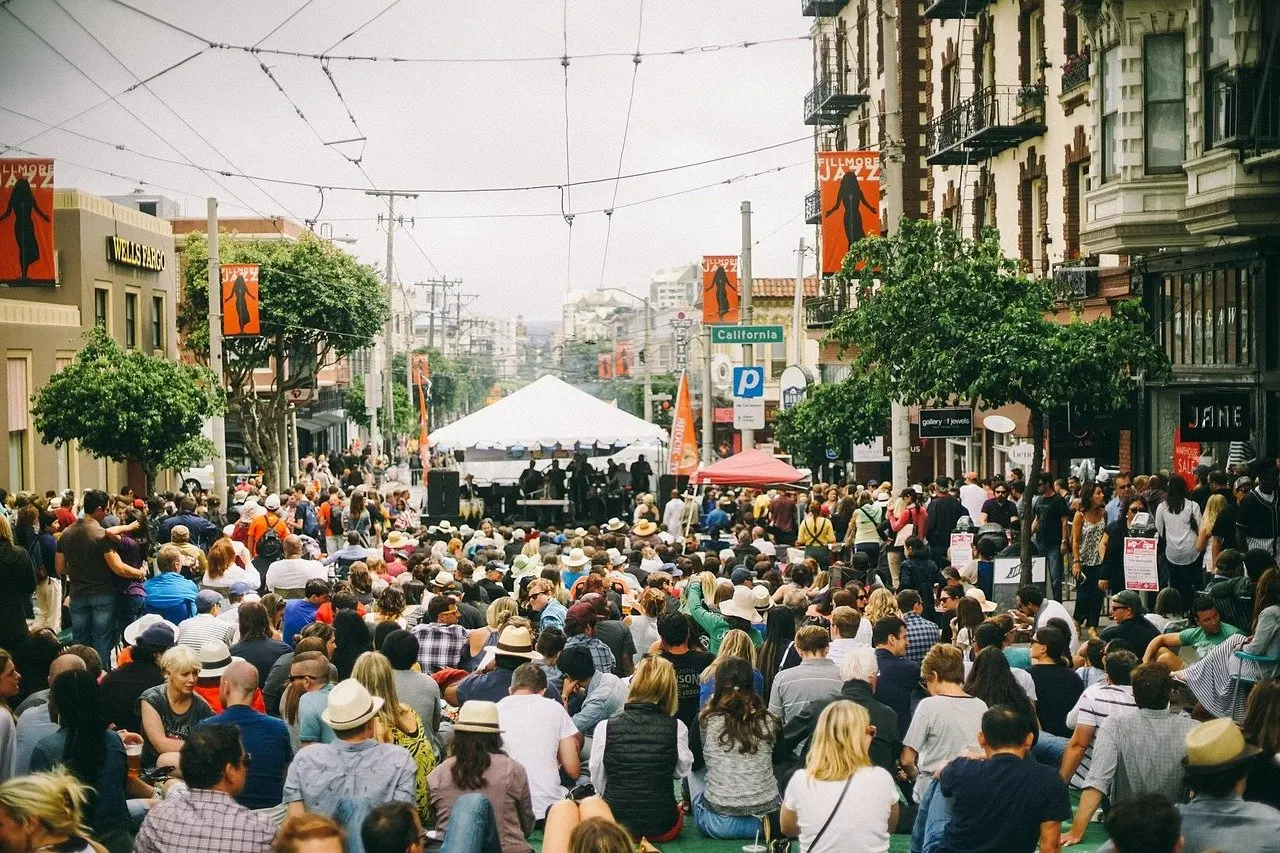
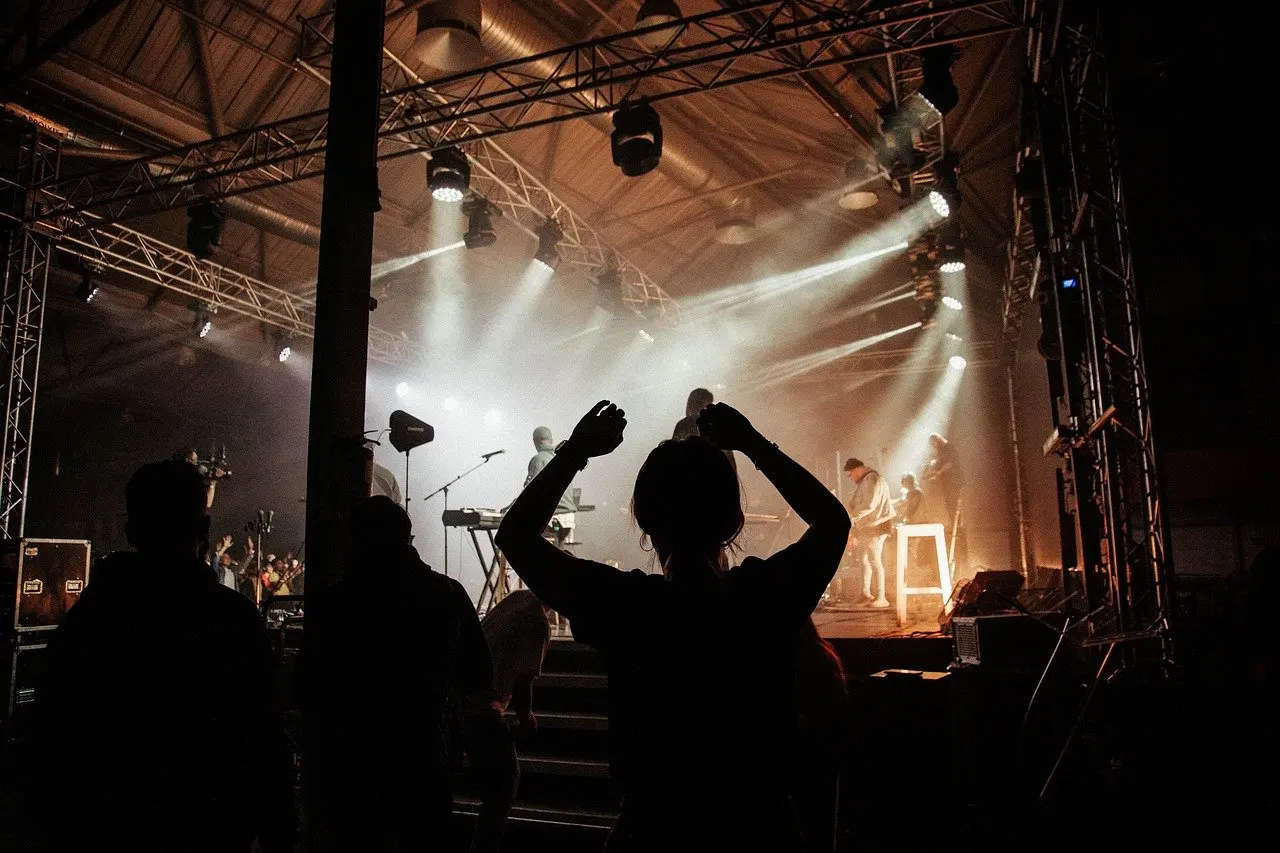
- The room sings together. The invitation is addressed to the whole audience, so the sound of the group, not the lead singer alone, makes the experience.
Choosing where to sit follows from the call-and-response format. Seating that lets you hear the leader’s phrase clearly makes the response easier to pick up, while a spot closer to other singers makes it easier to blend in.
Instruments and the sound of a session
The harmonium is one of the instruments used in kirtan, along with the tabla, dholak or guitar, which sit alongside the voices. Buddha Bella says these instruments add richness to the experience. In practice, the harmonium often supports the leader’s melody, while the percussion keeps the chant moving. The voices remain the centre, since the practice is built on the audience’s response.
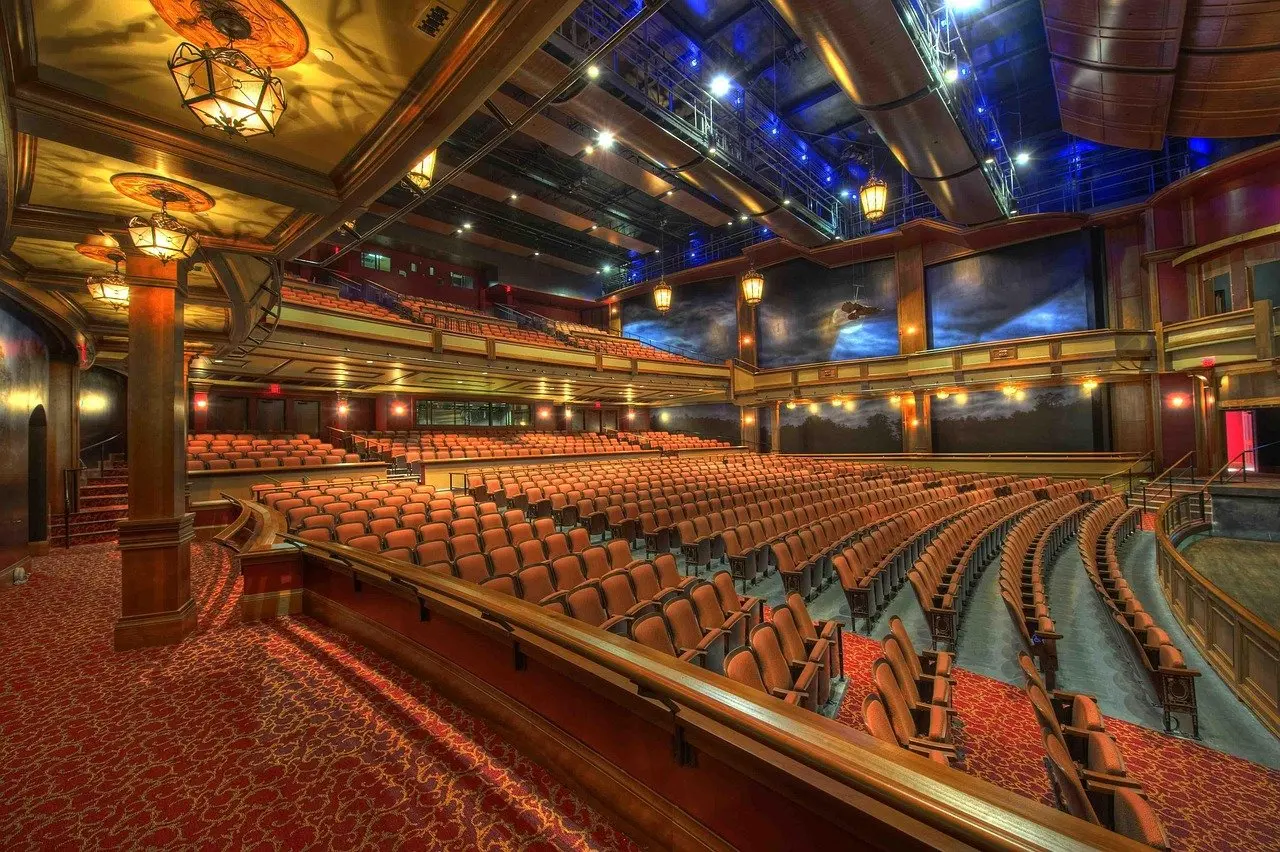
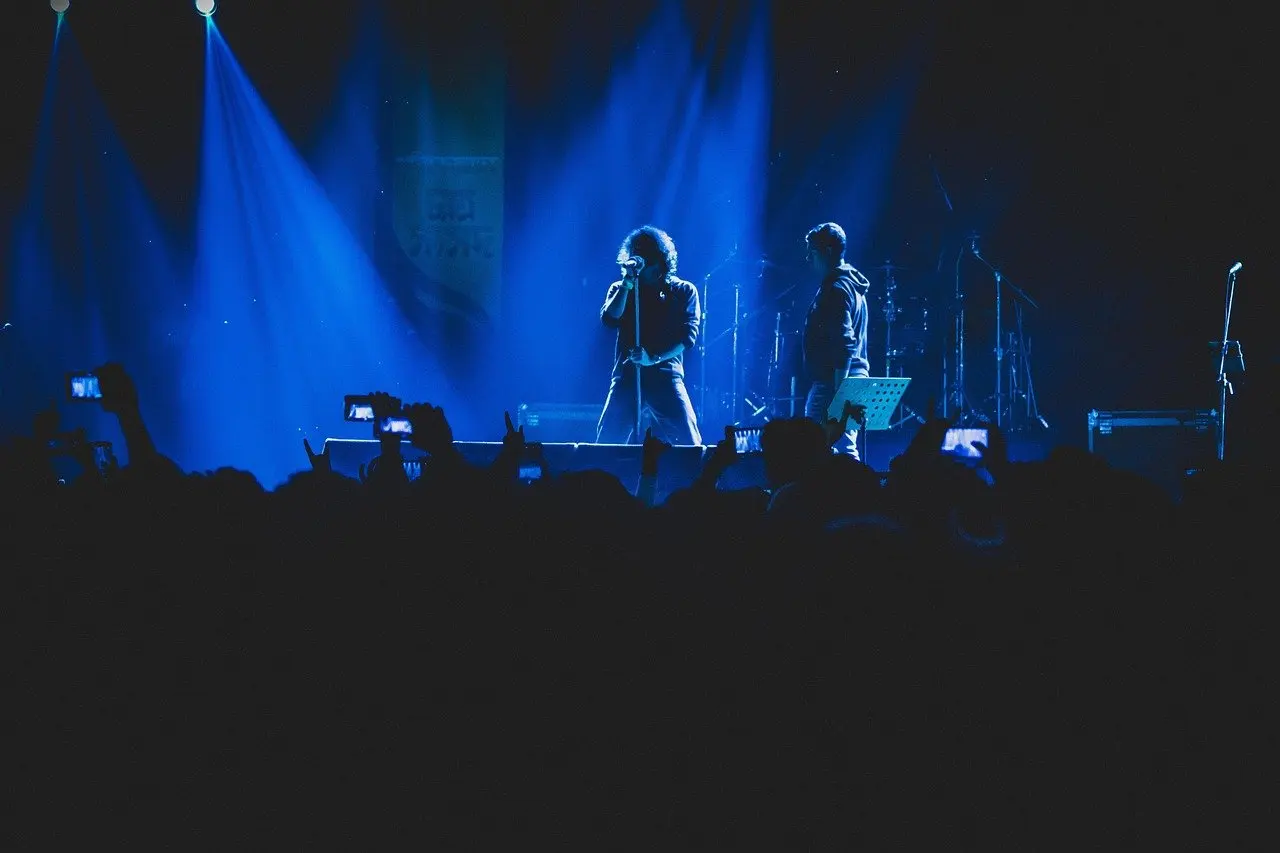
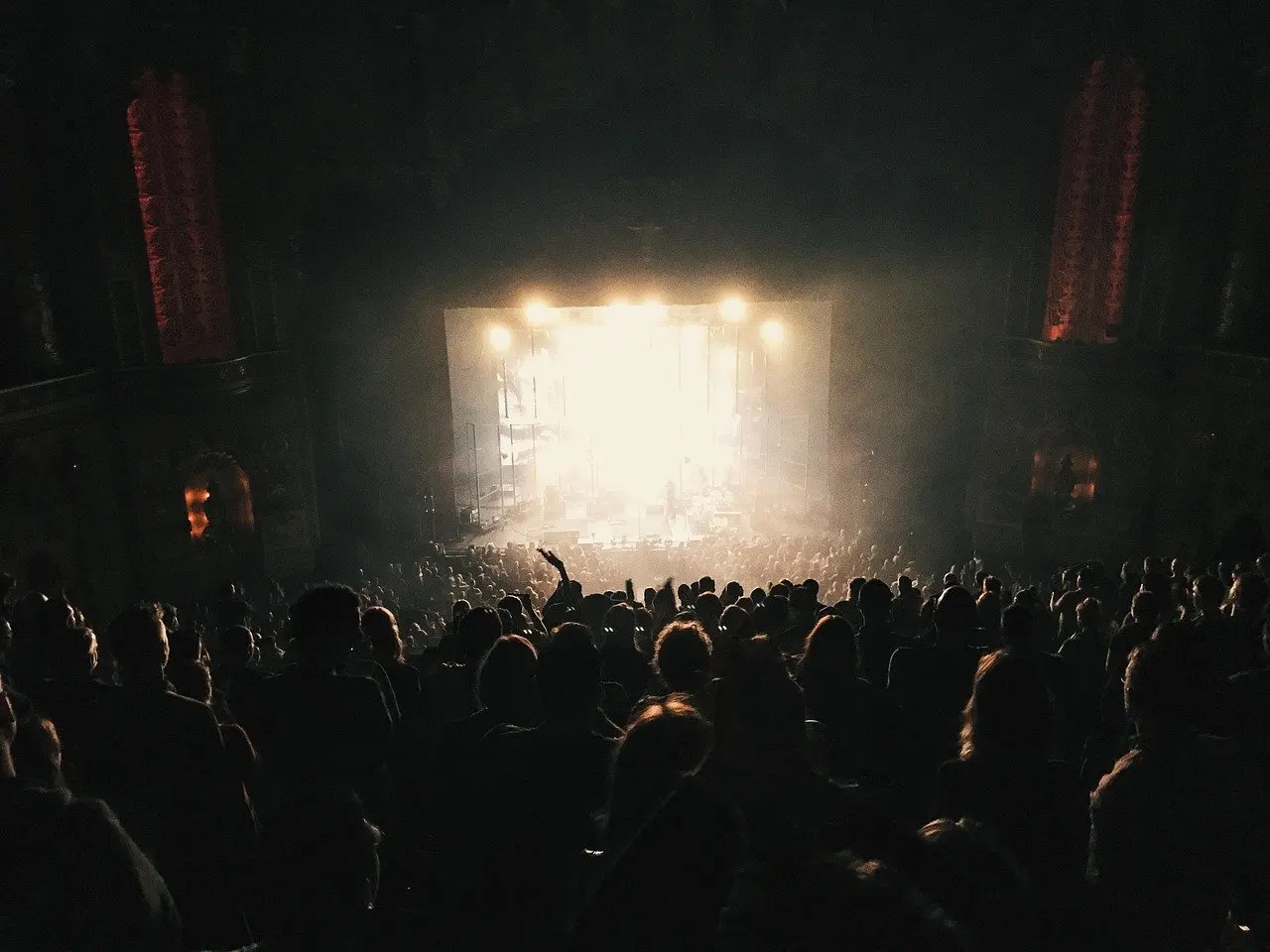
The stage setup tells a newcomer something useful before anything is sung. Microphones and instruments are there to carry the leader’s phrase to the whole room, so that the response can start. They do not signal a conventional concert in which the audience is only an audience.
How long a chant can run
Chants can be stretched into long meditative pieces. One recorded example is Vidura Barrios’s Chanting Om (Extended Meditation on the 7 Chakras), released in 2010 with a runtime of 25:44. It shows how a single sound can be held and repeated for an extended stretch. Anyone preparing for a festival session can read that as a reason to expect repetition rather than quick changes.
Reading festival coverage sensibly
Coverage of a recurring event is only as useful as its dates and names are exact. For Chantlanta, the reliable records are the festival’s own announcements, archived festival websites, local Atlanta event listings and press releases for each edition. Where an edition’s lineup is not named in one of those, leave it out of any plan.
The context for why a city festival like this exists is covered in the history of kirtan in america, which follows how the practice reached Western audiences. Reporting on individual groups lives on its own pages, including one on the guru ganesha band.
Frequently asked questions
| Question | Answer |
|---|---|
| Do I need to sing well to take part in kirtan? | No. Kirtan has no right or wrong way to participate, and listening is as acceptable as singing. |
| What is kirtan rooted in? | It is devotional chanting rooted in Bhakti yoga, with origins in the ancient traditions of India. |
| Which instruments are used? | Harmonium, tabla, dholak or guitar are used alongside voices. |
| Where should I confirm Chantlanta dates and lineups? | Use the festival’s own announcements for the specific edition, supported by archived festival pages or local Atlanta event listings. |