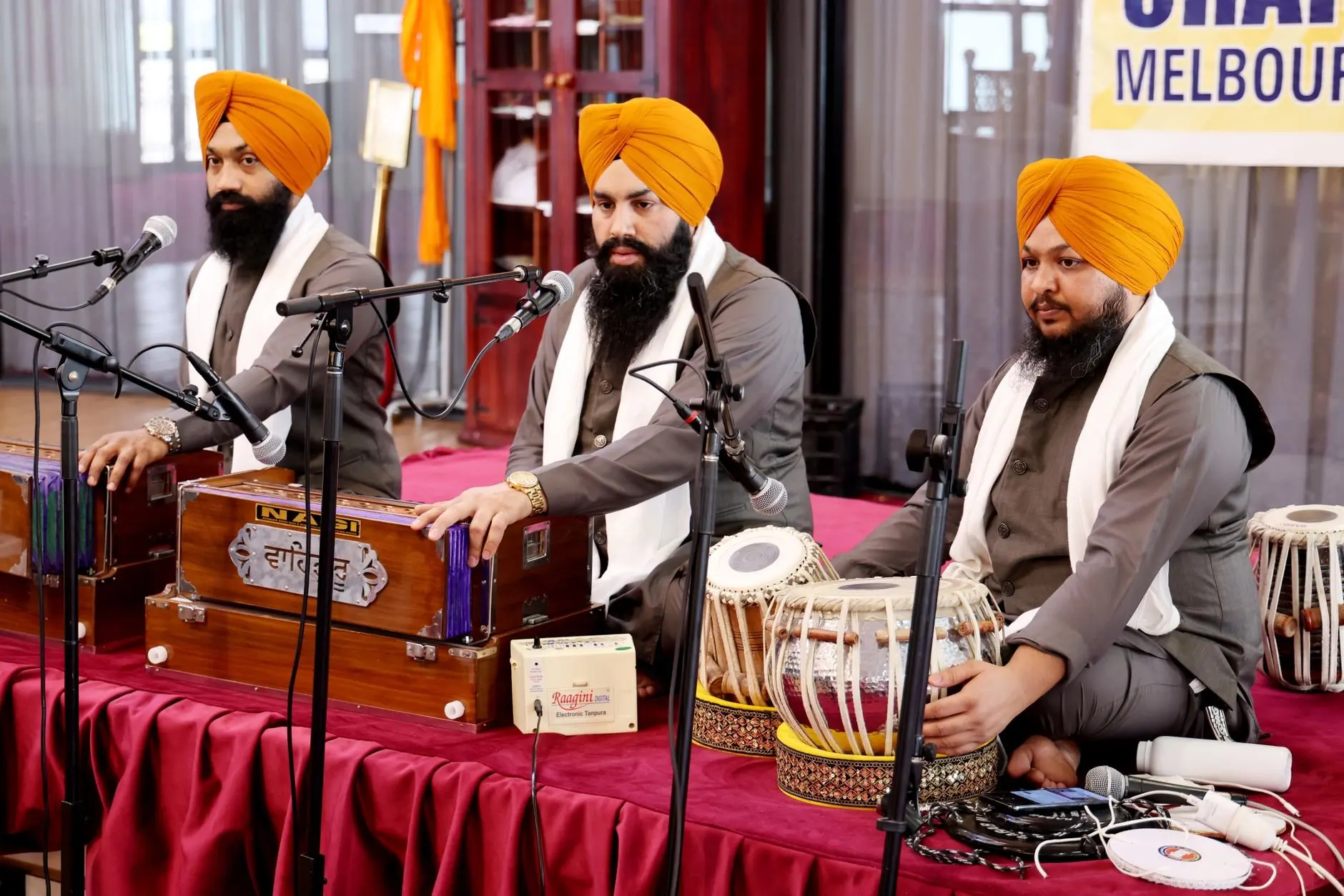
Kirtan music news covers albums, Grammy nominations, tours and independent projects in a genre built on shared singing. Start with the kind of news you want (recognition, live events or new recordings), then follow the matching section below.
This page explains each development in plain terms for listeners new to the genre. Dedicated stories on kirtan grammy winners, white sun grammy best new age album and touring updates sit behind the sections that follow.
Choosing where to start
The first decision is what you want from the news. A new listener rarely needs every announcement. Most readers need the few developments that change what they can hear, attend or understand. Three criteria help sort the flow of stories.
- Can I act on it? A tour date, an album release or a free online event gives you something to do. Prioritise these if you are still deciding whether kirtan suits you.
- Does it explain the genre? Stories about how a movement began, or about what a term such as call-and-response means, make later news easier to read. Prioritise these if the vocabulary is unfamiliar.
- Does it signal recognition? Award nominations and magazine listings show how the wider music world sees kirtan. They suit readers who want to know whether the genre is entering the mainstream.
With those criteria in mind, pick the route that matches your situation.
- You have never attended or heard kirtan. Read the next section on what kirtan is, then the part on recommended artists.
- You follow awards and charts. Go straight to the Grammy section, then use the kirtan grammy winners story for the detail.
- You want to attend something. Skip to touring and live events, where festivals, cruises and artist pauses are covered.
- You want to buy or stream a new recording. Use the album section and its links to individual artists.
- You are a musician or curious about the business side. The funding section explains how independent projects raise money.
If you are unsure, begin with the definition. Every other development in this field reads more clearly once you know what participants are doing.
What kirtan is and how it differs from a concert
Kirtan is a participatory devotional music practice. The Kirtan Shakti project describes it on its own site as the sacred tradition of sharing music with friends and strangers as a way of connecting with The Divine. That wording puts the emphasis on sharing rather than on showcasing a performer, which is the main difference from a standard concert.
At a concert, a band plays and an audience listens, applauds and goes home. At a kirtan, a leader sings and the room is invited to sing back. This is call-and-response singing: one voice offers a line, and the group answers it. The audience becomes part of the sound, so a gathering can feel successful even when the music is simple and repetitive.

The boundary has softened in recent decades. An event listing for Krishna Das says he took call-and-response chanting out of yoga centers and into concert halls, according to The Shift Network. Kirtan Shakti, for its part, says the practice has emerged as the hot new sub-genre of yoga music, spilling from studios and music festivals. A kirtan in a concert hall can look like a concert. The practical test for a newcomer is whether you are invited to sing along, and whether you are comfortable doing so.
Bhakti yoga and the devotional idea
Kirtan sits inside bhakti yoga, the yoga of devotion, where singing to the divine is a form of practice rather than entertainment. This explains why the news in this genre often mixes music with spiritual and charitable themes. The Kirtan Shakti project, for example, named its first album Bhakti Without Borders and says it blends melodies from the East Indian Bhakti tradition with folk, bluegrass and country elements.
Mantra, the text of the song
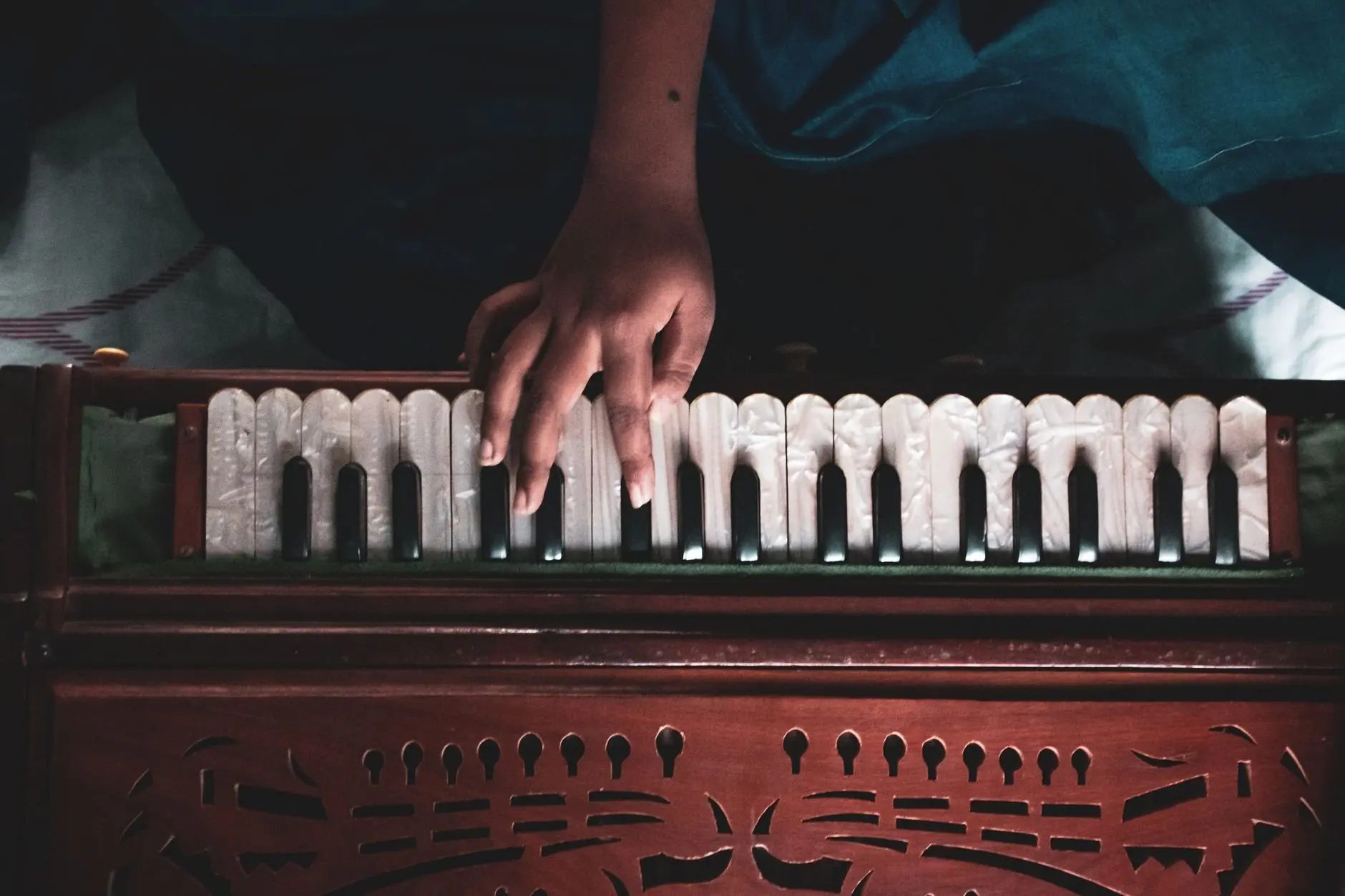
The words sung are usually mantras, sacred phrases repeated until the repetition itself becomes the point. The Shift Network listing for Krishna Das points to the chant “Sri Ram, Jai Ram, Jai Jai Ram”, sung at the temple of his guru. Repetition is what makes participation easy for beginners. You do not have to learn a long lyric. You only need to follow the leader’s line, which is a good reason to attend before trying to study anything.

Sound and style: from traditional chanting to folk and bluegrass
Kirtan recordings range from close-to-tradition chanting to hybrids with Western styles, and the difference matters when you choose a first album. The Shift Network describes Krishna Das as layering traditional kirtan with instantly accessible melodies and modern instrumentation. Kirtan Shakti’s debut album took a different route, mixing bhakti melodies with folk, bluegrass and country elements.
Neither approach is more authentic by default. They suit different listeners.
- You like accessible, melodic music. Start with artists described as pairing traditional kirtan with modern arrangements.
- You already enjoy folk, bluegrass or country. Fusion projects such as Bhakti Without Borders offer a familiar texture around the devotional core.
- You want the practice itself. Look for live gatherings, where participation matters more than production.
Reviews of new releases are most useful when they say how the arrangement sits between those poles. Where a review only says an album is “beautiful”, it tells a newcomer little. Where it names the instruments and the blend of styles, you can decide quickly whether to press play. Fuller release coverage lives with the new kirtan albums story.
Grammy recognition: nominations, wins and what they signal
Grammy news is where kirtan meets the mainstream music industry, and the most important habit is to separate a nomination from a win. Kirtan Shakti refers to Grammy-nominated Madi Das, who says it is time kirtan got its due, and to Grammy-nominated kirtan artist Jai Uttal. Those phrases describe nominations. They do not by themselves say that either artist won.
The same site describes kirtan as climbing charts and courting Grammys. That language shows the genre’s ambition. It does not tell you the outcome in any particular year. For results, check the ceremony in question. San Francisco Classical Voice, for instance, reported that the winners of the 2025 Grammy Awards, the 67th annual ceremony, were announced on Sunday, Feb. 2. Each ceremony year has its own category results, so a claim about a win needs a year attached.
For a newcomer, three habits make Grammy stories easier to read.
- Check the verb. “Nominated” and “won” are different outcomes, and headlines blur them.
- Check the category. Chant and mantra albums are usually discussed alongside new age and world music, so look at the category named rather than assuming.
- Check the year. The Recording Academy’s own pages list nominees and winners by ceremony and are the firmest reference for results.
The site’s deeper coverage follows these habits. The white sun grammy best new age album story looks at a specific mantra-music result, and the kirtan grammy winners story collects the wider picture. Read those before repeating any claim about who has won.
What a Grammy signals to listeners is exposure. A nomination can bring a chant album to people who would never search for kirtan. It does not measure how good a gathering will feel, so treat recognition as an invitation to listen rather than as a ranking.
Touring and live events
Live news matters most for kirtan because the form is built around being in the room. A touring announcement is a chance to try the practice, but newcomers should judge the format as well as the name on the bill. Some events are staged like concerts and some are closer to open community singing.
Artist sites remain the most reliable place to confirm dates, because they list what the performer has actually committed to. Event listings from hosts add detail. The Shift Network, for example, promoted a free online video event with Krishna Das. Online events like that are a low-cost way to test whether the call-and-response format appeals before you travel anywhere.
Pauses and changes in touring
Artist schedules change, and a pause in touring is news that affects fans directly. Readers asking whether krishna das stops touring will find the specifics in a dedicated story, krishna das stops touring, which tracks what the announcement means for audiences. The practical advice is to treat any pause as a reason to look at other leaders, recordings and online events rather than waiting.
Festivals, cruises and charity events
Festivals gather many artists in one place and suit readers who want to compare styles quickly. Chantlanta is covered as a festival story. A kirtan cruise is a different kind of choice, because it is a multi-day commitment rather than an evening out. Choose a festival if you want variety. Choose a single-artist concert or local gathering if you want to find out whether you enjoy chanting at all.
Groups and individual artists on the move
Bands announce tours and releases separately from solo leaders. Updates on the guru ganesha band have their own page, and performances tied to a particular chant are collected under jai uttal sita ram. Following a group is a good way to hear how the same material changes between live settings.
New albums and releases
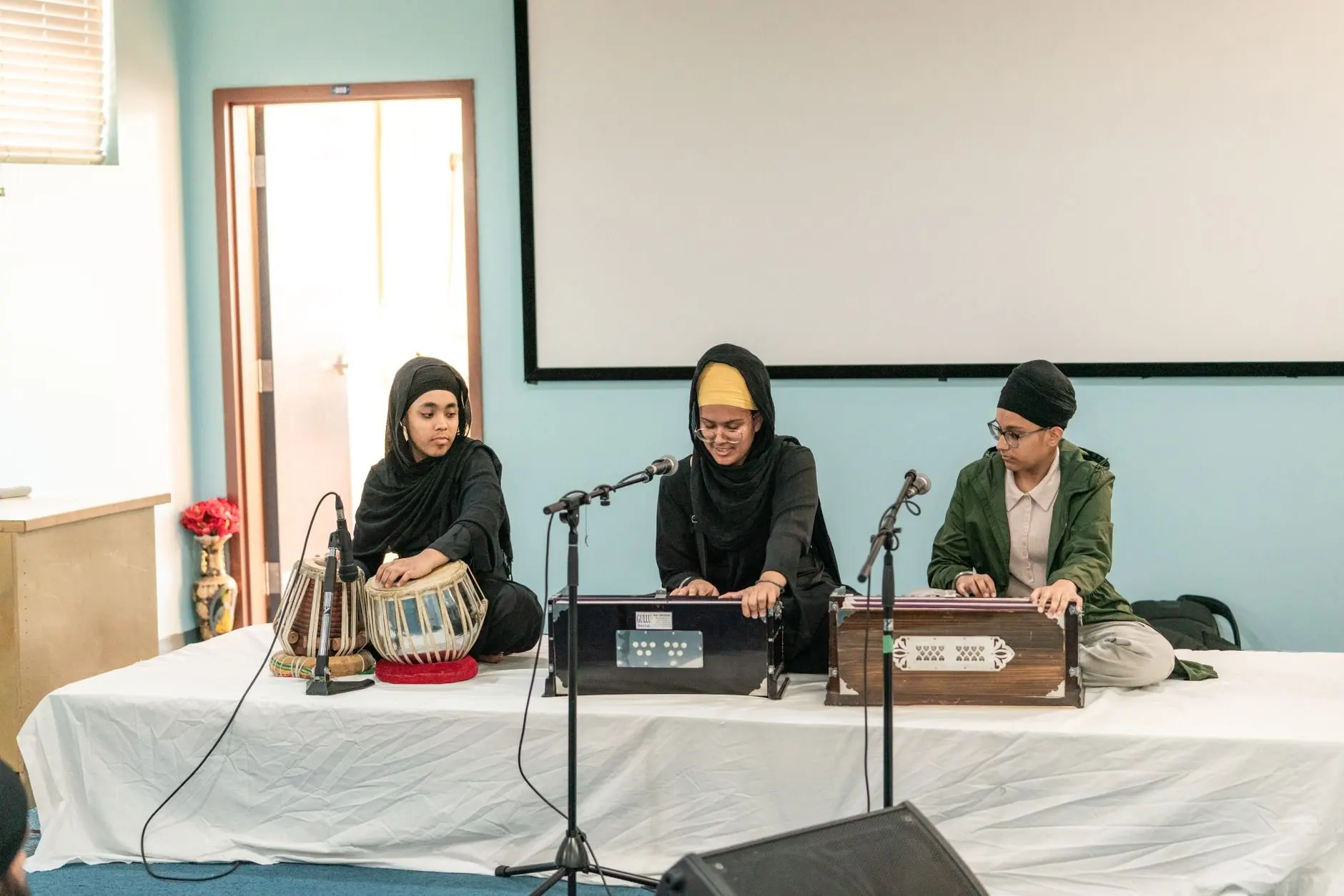
Release news is easiest to use when you know where the album sits between traditional chanting and fusion. A listener new to the genre should look for a review that says who sings, which language the chants use and whether the arrangement is acoustic or produced. Those details tell you more than a star rating does.
Dates matter too. Kirtan Shakti’s own timeline says the project launched in 2014 under the nonprofit Kulimela Association, and that its first album, Bhakti Without Borders, went into production by the following summer. A date taken from the artist or label site is the safest to repeat, because retail listings sometimes show reissue dates instead of the original release.

Where to look for a specific artist
- Roundups. The new kirtan albums story collects recent releases in one place, which suits readers who do not yet have a favourite artist.
- Jai Uttal. Kirtan Shakti refers to him as a Grammy-nominated kirtan artist. If you want his latest recordings, the jai uttal new album story is the place to check.
- Krishna Das. A back catalogue built over decades calls for a guide. The best krishna das albums story compares his records so you can choose one to begin with.
- Debut artists. New names are easier to follow through single-release stories, such as adam bauer kirtan.
- Tributes. Albums made in memory of a teacher or leader have their own context, which the shyamdas kirtan story sets out.
Compilations can serve as a gentler entry point than a full artist album. Kirtan Shakti notes that its track Shri Radhe appears on a compilation called Sri Ma: Chants of Divine Mother, and that Yoga Journal listed it as one of the “10 Best Yoga Tunes of the Year”. A magazine listing like that is an editorial opinion, so use it as a pointer to try a track, not as proof of quality.

The best-known kirtan artists
Krishna Das is the name that most often anchors descriptions of the genre, but several artists carry different parts of the story. Because the page cannot rank taste, the more useful question is what each artist represents. The table pairs each name with what the supported descriptions say and what that suggests for a new listener.
| Artist or project | What is on record | Planning use |
|---|---|---|
| Krishna Das | Described by an event listing as “yoga’s rock star” and “the Chant Master of American Yoga”; credited with taking call-and-response chanting from yoga centers into concert halls; chanting influence stretching over the past 50 years | The most direct starting point for accessible, modern-sounding kirtan and for the concert-hall side of the genre |
| Jai Uttal | Described as a Grammy-nominated kirtan artist | A good pick if recognition from the wider music world matters to you |
| Madi Das | Described as Grammy-nominated and arguing that kirtan should get its due | A voice for readers following the genre’s push for mainstream standing |
| Kirtan Shakti | Launched in 2014 under the nonprofit Kulimela Association; debut album Bhakti Without Borders blends bhakti melodies with folk, bluegrass and country | Suits listeners who want fusion and a charitable angle |
Descriptions come from the Shift Network event listing and the Kirtan Shakti site.
Krishna Das’s teacher is also part of the news around him. The listing names his guru as Neem Karoli Baba, and many chants in the genre trace back to that devotion. The neem karoli baba kirtan songs story follows the connection through the music. Reading it helps explain why devotion, not fame, drives many of the genre’s best-known recordings.
For the wider arc, the history of kirtan in america shows how a practice rooted in India became a feature of yoga studios and festivals. That context turns individual news items, such as an album or a tour, into part of a longer story.
How independent kirtan musicians fund albums
Independent kirtan musicians often fund albums through community support rather than label advances, and charitable aims are common. Kirtan Shakti is a clear example. According to its site, the project crowdfunded an album to raise funds for Food For Life Vrindavan, and the album, Bhakti Without Borders, was produced by Dave Stringer with singers and musicians from around the world.
The results are stated in concrete terms. The site says Bhakti Without Borders has raised over $23,000, which means one year’s education for 43 girls. That framing is typical of benefit projects: the music is the vehicle, and the outcome is measured in what the money pays for rather than in sales alone.
What to look for in a crowdfunded release
- A named producer and clear credits. These show who is responsible for the recording. Kirtan Shakti names its producer.
- A stated purpose. Campaigns that name a beneficiary give backers something concrete to judge afterwards.
- A sponsoring organisation. A nonprofit sponsor, such as the Kulimela Association behind Kirtan Shakti, indicates who stands behind the project.
- Reported results. A figure and what it paid for let you compare promises with outcomes.
If you are weighing a campaign as a backer, choose projects that publish results after release. If you are a musician planning one, the kirtan album crowdfunding story looks at how debut projects approach it.
Reading kirtan news as a newcomer
Reading kirtan news well means matching each story to a decision. Awards stories rarely change what you listen to this week, while a release or event story might. A simple order of attention helps: first the practice itself, then one artist whose sound you like, then the live opportunities near you, and only then the recognition stories.
Treat descriptions as claims
Phrases like “yoga’s rock star” are the language of promotion. They tell you how a host or publication wants an artist seen. The Shift Network listing carries them, and the label is worth knowing, but it is a description rather than a measurement. Prefer stories that name what the artist has actually done, such as an album, a tour or a charitable result.
Keep devotion and entertainment distinct
Much of this music is sung as devotion. Some audiences attend as they would any concert, and others attend as participants. Neither is wrong, but news that treats kirtan only as entertainment can miss why the practice matters to those who sing it. When a story discusses a chant, look for whether it explains the meaning and the tradition behind it.
Follow sources close to the music
Artist sites, label announcements and host listings carry the most dependable details on dates and releases. Trade publications add context about the wider industry. Where the two disagree on a date or a title, trust the artist or label, and recheck before travelling or buying.
Frequently asked questions
Has a kirtan or mantra album ever won a Grammy?
Artists in the genre have been Grammy-nominated, including Madi Das and Jai Uttal, according to Kirtan Shakti. For results by year and category, read the kirtan grammy winners story and confirm against the Recording Academy’s listings.
Is there a free way to hear Krishna Das chanting?
The Shift Network listing advertised a free online video event with Krishna Das. Check the host or his own site for any current events, since schedules change.
Who produced the Bhakti Without Borders album?
Kirtan Shakti says the album was produced by Dave Stringer and features singers and musicians from around the world.
How many children does Food For Life Vrindavan educate?
Kirtan Shakti says the schools of Food For Life Vrindavan provide education for 1,500 children, most of whom are female. The crowdfunded album was created to raise funds for that work.